CONTACT US: +90 543 233 26 08







Deep Plane Facelift: Know It All!
Deep Plane Facelift: Know it all
ALTAN TEKİN M.D.
5/27/20252 min read
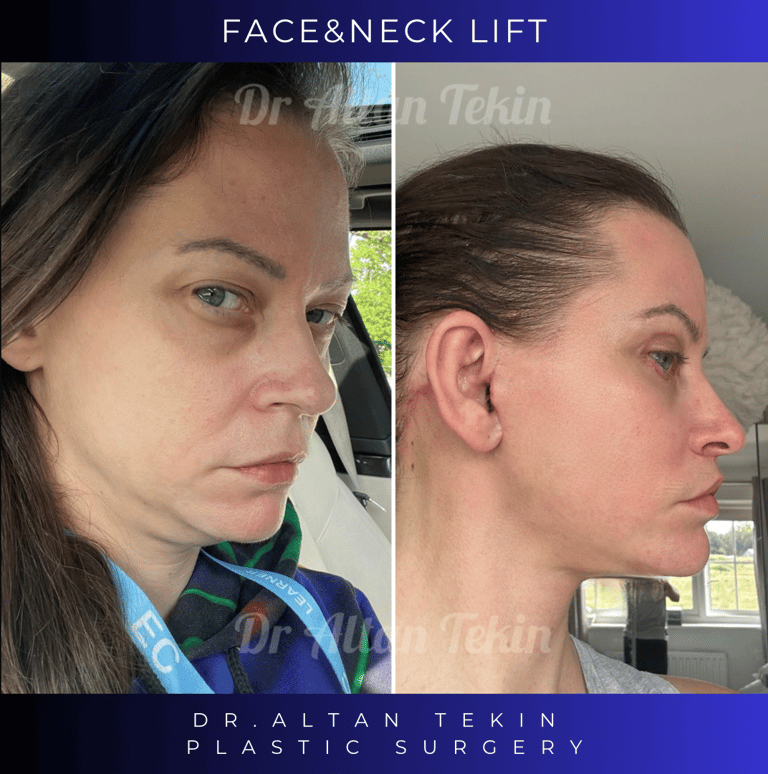
Deep Plane Facelift: Complete Guide
What is a Deep Plane Facelift?
A deep plane facelift is an advanced facial rejuvenation procedure that lifts not just the skin but the deeper layers of facial tissue, including muscles and connective structures. Unlike traditional facelifts, which primarily tighten the skin, this technique addresses the underlying anatomy to:
Improve sagging in cheeks, jawline, and neck
Restore facial harmony and three-dimensional structure
Produce natural-looking, long-lasting results
Enhance symmetry and definition of facial features
It is particularly suited for patients looking for significant, natural rejuvenation rather than superficial tightening.
Who is Suitable for a Deep Plane Facelift?
Ideal candidates are generally:
Adults aged 40–60 experiencing early to moderate signs of aging
Individuals with good overall health and no contraindications for surgery
Those with adequate skin elasticity, though genetics can influence timing
Not typically recommended for:
Younger patients, unless genetically predisposed to early sagging
Individuals with serious health issues or reduced healing capacity
Pre-Procedure Preparation
To ensure safety and optimal outcomes, patients should:
Medical consultation: Discuss goals, review medical history, and assess suitability
Tests and screening: Blood tests, imaging, and general health checks
Lifestyle adjustments: Stop smoking at least 2 weeks prior and discuss medications (especially blood thinners)
Psychological preparation: Stress management and realistic expectations are crucial
Surgical Process Step by Step
Anesthesia: Either general anesthesia or sedation, chosen with patient and surgeon
Incisions: Typically hidden along the front and back of the ears to minimize visible scars
Tissue lifting: Deep tissues are lifted and repositioned for natural facial contours
Closure: Incisions are sutured carefully to optimize healing and appearance
Duration: Usually 3–5 hours, may vary depending on complexity
Recovery and Healing
First 1–2 weeks: Swelling, bruising, and mild discomfort are common
Weeks 2–4: Swelling gradually decreases; light activities can resume
3–6 months: Final results appear as facial contours become refined and more youthful
Tips for smoother recovery:
Take prescribed pain medications
Keep the head elevated
Limit physical activity and stress
Follow post-operative care instructions closely
Potential Risks and Complications
While generally safe with a qualified surgeon, potential risks include:
Anesthesia complications (rare but possible)
Infection at incision sites
Delayed wound healing or noticeable scarring
Asymmetry or unexpected aesthetic results
Proper patient selection, experienced surgical technique, and careful post-op care reduce these risks.
Results and Long-Term Benefits
Restored youthful appearance
Enhanced facial definition and symmetry
Longer-lasting effects than traditional facelifts
Improved self-confidence and quality of life
Future Perspectives
Advances in aesthetic surgery aim to improve deep plane facelift outcomes through:
Minimally invasive techniques
Advanced imaging for precision surgery
Biotechnology to accelerate healing and reduce complications
These innovations promise safer procedures with even more natural results.
Address
Çelikoğlu Sitesi, B Block, 1st Floor, Apartment 3, 1546th Street, Şirinyalı, Muratpaşa, Antalya 07160, Türkiye
DR. ALTAN TEKIN
Op. Dr. Altan Tekin is a board-certified Plastic, Aesthetic and Reconstructive Surgeon in Antalya, Turkey.
Particular attention is given to patients seeking facelift surgery, body contouring after significant weight loss, and mommy makeover surgery.

