CONTACT US: +90 543 233 26 08







Gynecomastia Surgery in Antalya, Turkey
Gynecomastia is a medical condition characterized by the enlargement of breast tissue in men. This condition may cause swelling, fullness, or sagging of the chest and can lead to both physical discomfort and psychological distress.
In Antalya, gynecomastia is a common and treatable condition. Dr. Altan Tekin, a plastic, reconstructive, and aesthetic surgery specialist in Antalya, offers personalized treatment options based on the underlying cause and severity of gynecomastia.
What Causes Gynecomastia?
Gynecomastia can develop due to several factors that affect hormonal balance or body composition, including:
Hormonal Changes
Hormonal imbalances—particularly an increase in estrogen relative to testosterone—are one of the most common causes. This is frequently seen during adolescence or later in life.
Obesity
Excess body fat can alter hormone levels and contribute to the development of gynecomastia.
Medications
Certain medications, especially those that influence hormone levels or increase estrogen, may lead to gynecomastia.
Genetic Factors
A family history of gynecomastia can increase the likelihood of developing this condition.
Medical Conditions
Some health conditions can disrupt hormone balance and result in gynecomastia.
Aging
Hormonal changes associated with aging may also contribute to the development of gynecomastia.
Who Is a Suitable Candidate for Gynecomastia Treatment?
Gynecomastia treatment may be considered for men who experience:
Persistent breast enlargement
Physical discomfort or chest tenderness
Emotional or psychological distress
Lack of improvement with lifestyle changes
A detailed medical evaluation is necessary to determine the most appropriate treatment approach.
Gynecomastia Treatment Options
Hormonal Therapy
If gynecomastia is caused by a hormonal imbalance, hormone therapy may be recommended to restore balance.
Medication Adjustment
When medications are identified as the cause, adjusting or discontinuing them under medical supervision may help resolve the condition.
Surgical Treatment
For long-standing or pronounced gynecomastia, gynecomastia surgery may be the most effective solution. Surgery typically involves:
Removal of excess breast gland tissue
Liposuction to remove excess fatty tissue if necessary
Surgical treatment aims to create a flatter, firmer, and more masculine chest contour.
Gynecomastia Treatment in Antalya with Dr. Altan Tekin
Dr. Altan Tekin, plastic surgery specialist in Antalya, provides gynecomastia treatment using modern surgical techniques and individualized planning. The goal is to achieve natural-looking results while minimizing scarring and recovery time.
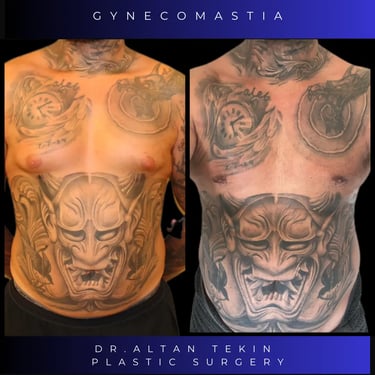
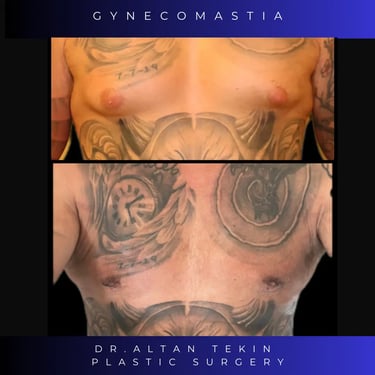
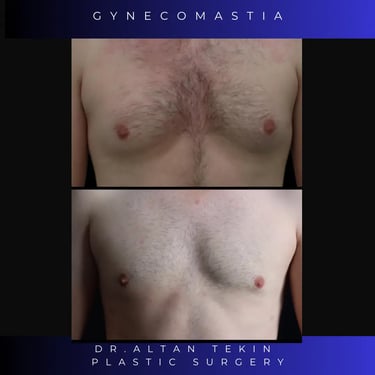
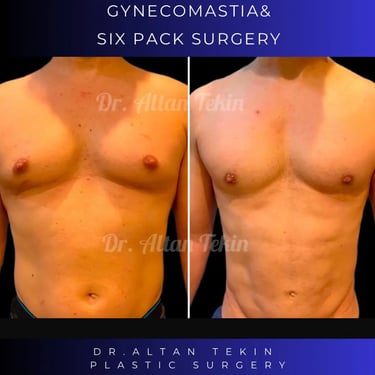
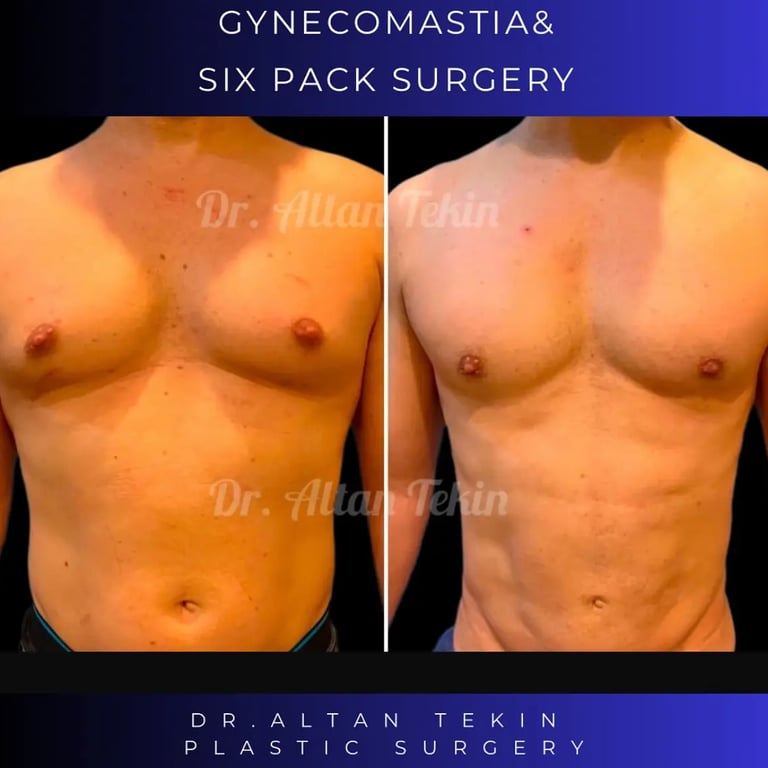
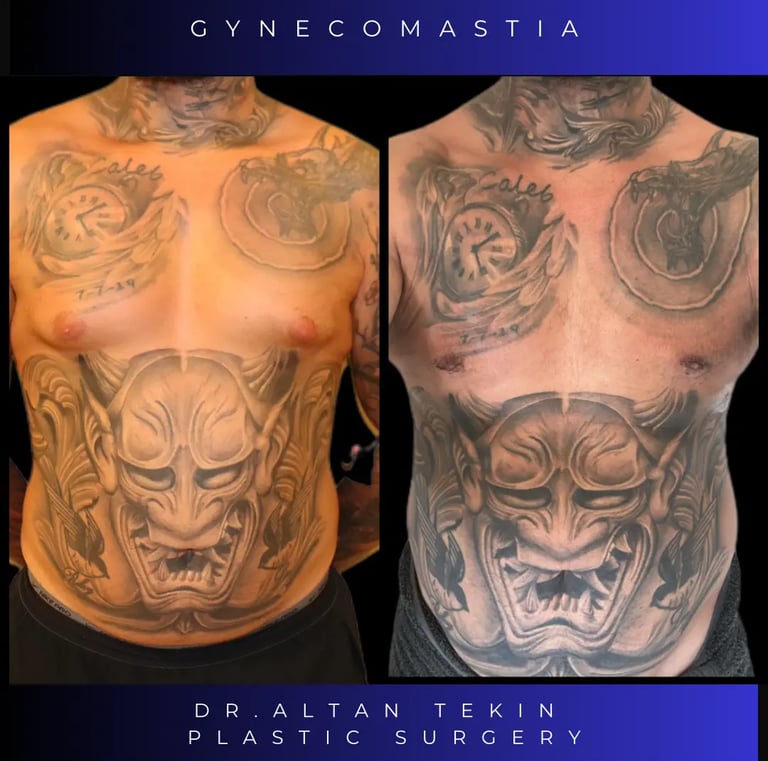
Before and After Gynecomastia Surgery Results











What are Gynecomastia Surgery Techniques?
There are different techniques of inecomastia (breast enlargement in men) surgery. Which technique will be used depends on factors such as the size and type of breast tissue of the patient and general health status. Here are some commonly used techniques of gynecomastia surgery:
Liposuction: In this method, fat deposits in the breast tissue are removed by liposuction. Fat is sucked through small incisions with the help of a thin cannula (tube). The liposuction method is especially suitable for cases where breast tissue size and sagging are low.
Subcutaneous Mastectomy: In this method, the excess part of the breast tissue is removed. An incision is made under the skin and a smoother contour is obtained by removing the breast tissue.
Submuscular Mastectomy: In this method, breast tissue is replaced with implants placed under the muscle layer. This method is generally preferred for patients with large breast tissue.
Combination Technique: If both breast tissue and adipose tissue are excessive, liposuction and surgical removal methods can be used together.
The method to be chosen for the surgery should be determined according to the size of the patient's breast tissue, sagging condition, amount of adipose tissue and the patient's preferences.
What should be considered after gynecomastia surgery?
After gynecomastia (breast enlargement in men) surgery, there are some important points that you should pay attention to in order to preserve the result of the surgery, support the healing process and minimize possible complications. Here are some general recommendations you should pay attention to after gynecomastia surgery:
Rest and Recovery: Get adequate rest in the post-operative period. Avoid heavy physical activities and move as your doctor recommends.
Suture Care: If sutures have been used, maintain suture care as recommended by your doctor. Be aware of when the stitches will be removed.
Special Clothing or Bandages: Use special clothing or bandages as recommended by your doctor. This can support the healing process.
Medication Use: Regularly use pain relievers, antibiotics and other medications recommended by your doctor. This can help keep pain under control and reduce the risk of infection.
Nutrition and Hydration: Pay attention to a healthy diet and make sure you drink enough water. This can support the healing process.
Smoking and Alcohol: Limit or quit smoking and alcohol use in the post-operative period if possible. This can positively affect the healing process.
Doctor Controls: Do not forget to go to the doctor's controls regularly after the surgery. Your doctor will monitor your recovery and make recommendations if needed.
Sun Protection: Use sunscreen and a hat to protect yourself from sunlight after surgery.
Recovery Time: The recovery process may differ from person to person. Be patient and act by following your doctor's recommendations.
Psychological Support: Emotional difficulties may be experienced after the surgery. It is important to seek psychological support when necessary.
Following your doctor's recommendations strictly in the postoperative period will help you to protect the outcome of the surgery in the best way possible and to minimize possible risks.

What are the complications of gynecomastia surgery?
Gynecomastia (male breast enlargement) surgery is generally a safe surgical procedure. However, as with any surgical procedure, gynecomastia surgery has potential risks and complications. These risks may vary depending on factors such as the general health of the patient, the complexity of the surgery, surgical experience and technique. Here are some of the possible risks of gynecomastia surgery:
Infection: As with any surgical procedure, there is a risk of wound infection after gynecomastia surgery. In order to minimize this risk, it is important to pay attention to post-operative suture care and to comply with hygiene rules.
Bleeding: Bleeding may occur during or after surgery. Therefore, it is important to avoid heavy physical activities in the postoperative period.
Wound Healing Problems: In rare cases, wound healing problems may occur. Problems such as opening at the seams or irregular healing may occur.
Scar Tissue Formation: Scar tissue formation may occur after surgery. This scar tissue can sometimes be evident.
Asymmetry: After gynecomastia surgery, asymmetry (unsymmetrical appearance) problem may be experienced in the breast tissue or nipple position.
Tissue Loss: Tissue loss may occur in the breast tissue during or after surgery. Although this is rare, it is possible.
Sensory Changes: Sensory changes may occur in and around the nipple. This is usually a temporary situation.
Nipple Problems: There may be changes in nipple position or sensation.
Anesthesia Reactions: Reactions to the anesthesia used during the surgery may occur.
Breast Tissue Problems: After the surgery, deformities or hardness may be experienced in the breast tissue.
Expectation of Aesthetic Results: Although gynecomastia surgery usually gives positive results, the aesthetic expectations of the patient may not be fully met.
Most of these risks are rare and can be minimized with the experience of a good surgical team and the use of appropriate techniques. Your surgeon performing the surgery will evaluate your particular health condition and explain the potential risks and complications before the surgery.
Address
Çelikoğlu Sitesi, B Block, 1st Floor, Apartment 3, 1546th Street, Şirinyalı, Muratpaşa, Antalya 07160, Türkiye
DR. ALTAN TEKIN
Op. Dr. Altan Tekin is a board-certified Plastic, Aesthetic and Reconstructive Surgeon in Antalya, Turkey.
Particular attention is given to patients seeking facelift surgery, body contouring after significant weight loss, and mommy makeover surgery.

