CONTACT US: +90 543 233 26 08







Liposuction in Antalya, Turkey
Liposuction is a cosmetic surgical procedure designed to remove excess fat from specific areas of the body that are resistant to diet and exercise. It is commonly used to reshape and contour the body, providing a firmer and more proportionate appearance.
In Antalya, Dr. Altan Tekin, a plastic, reconstructive, and aesthetic surgery specialist, performs liposuction with precision and individualized planning to ensure natural-looking results and patient safety.
Who Can Benefit from Liposuction?
Liposuction may be suitable for individuals who:
Have localized fat deposits that do not respond to diet or exercise
Desire improved body contour and proportion
Are in good overall health with stable body weight
Common treatment areas include:
Abdomen
Hips and flanks
Thighs (inner and outer)
Buttocks
Upper arms
Neck and chin area
How Is Liposuction Performed?
Liposuction surgery is usually performed under local or general anesthesia and follows these main steps:
1. Anesthesia
The targeted area is anesthetized to ensure patient comfort during the procedure.
2. Incision Making
Small, discreet incisions are made to insert a thin tube called a cannula.
3. Fat Removal
The cannula is used to suction excess fat cells carefully without damaging surrounding tissues. This process helps sculpt and contour the treated area.
4. Shaping and Contouring
The surgeon meticulously shapes the area during the fat removal to achieve a smooth and natural-looking contour.
5. Closing and Bandaging
Incisions are closed, and a compression garment or bandage is applied to support healing, reduce swelling, and help the skin adapt to the new contours.
Recovery After Liposuction
After liposuction, patients can expect:
Mild swelling and bruising
Temporary discomfort or soreness
Recovery time varies, but most patients can resume normal activities within a few weeks. Maintaining a healthy lifestyle and stable weight is important, as fat cells can enlarge again even after liposuction.
Liposuction in Antalya with Dr. Altan Tekin
At Altan Tekin Clinic, liposuction procedures are performed with a patient-centered approach focusing on:
Natural and balanced body contours
Minimal scarring
Safe and effective fat removal
Personalized post-operative care and guidance
Dr. Altan Tekin evaluates each patient individually to create a treatment plan that addresses their aesthetic goals while ensuring safety and comfort.

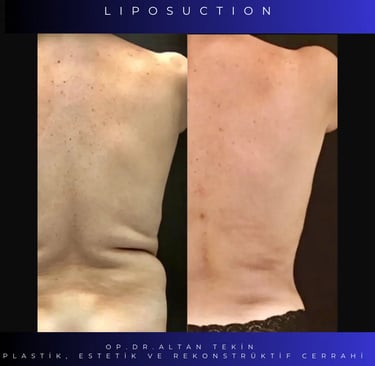











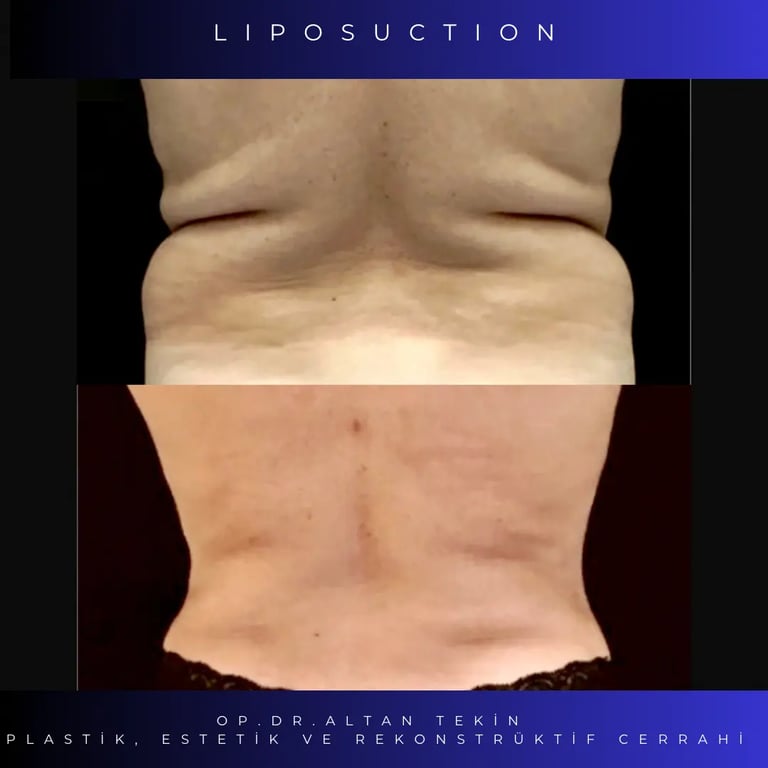
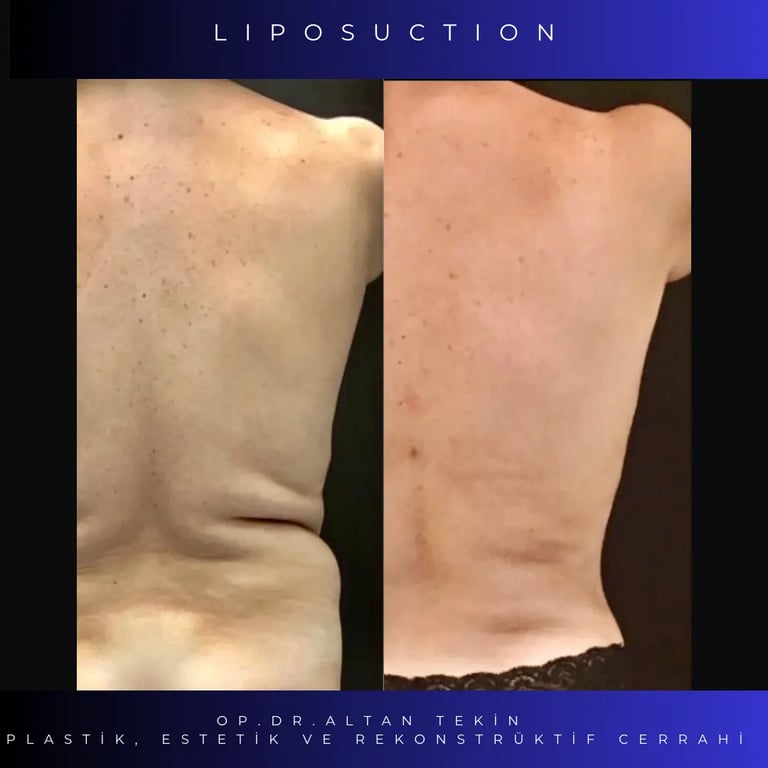
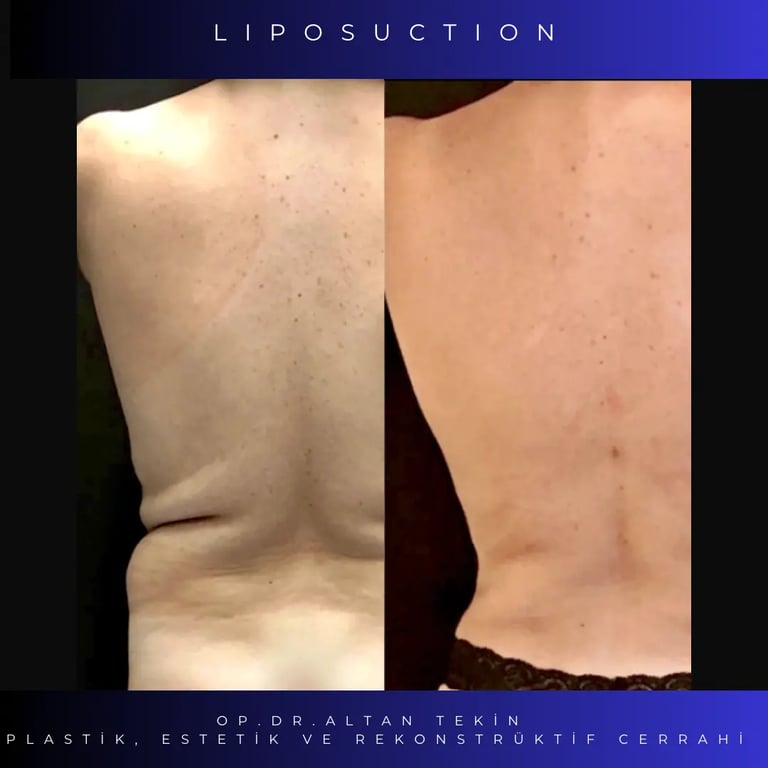
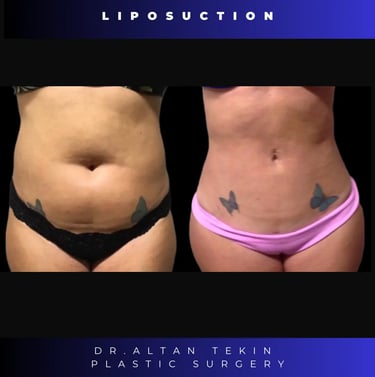
Liposuction Before and After Results in Antalya
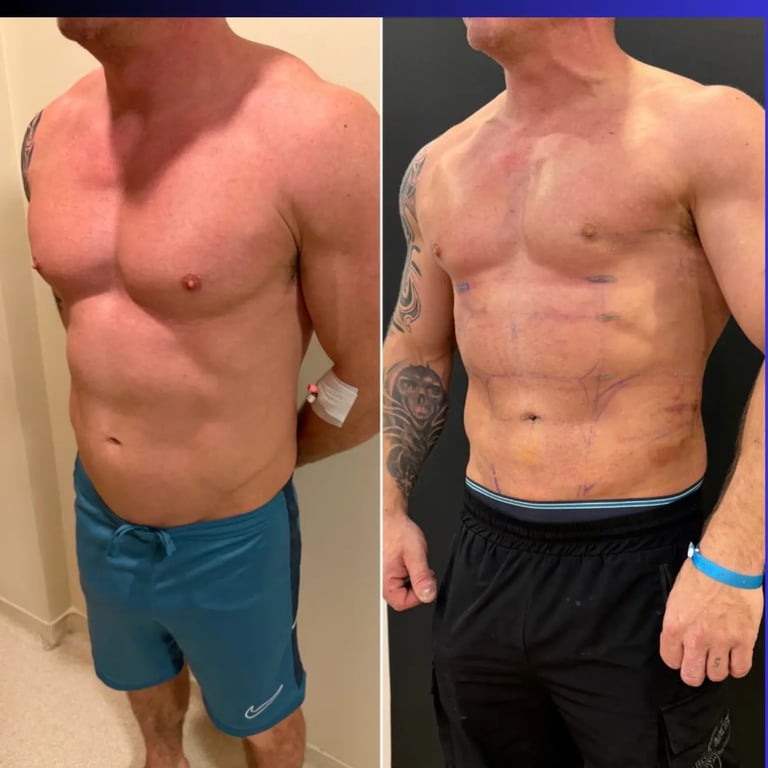
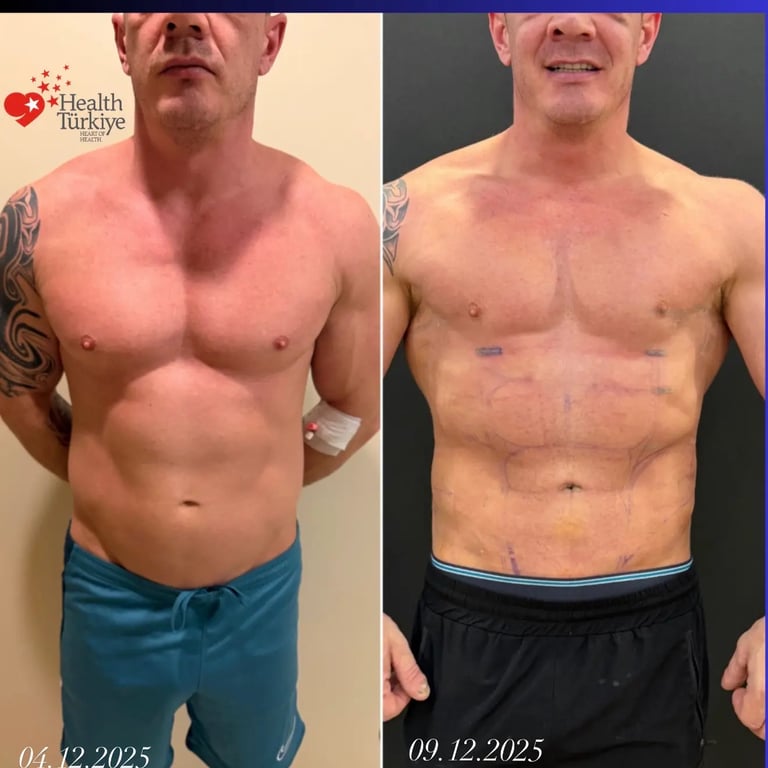
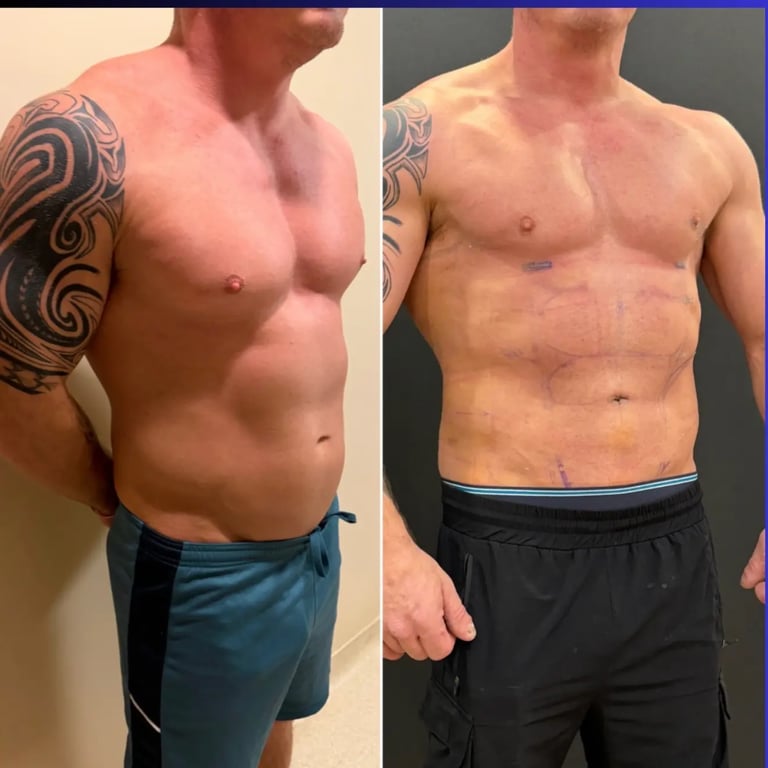
Liposuction Techniques: How Fat Removal Surgery Is Performed
Liposuction can be performed using different techniques and technologies depending on the patient’s needs, body area, and desired results. Over the years, liposuction methods have evolved to improve precision, safety, and recovery. Dr. Altan Tekin, a plastic, reconstructive, and aesthetic surgery specialist in Antalya, customizes the liposuction technique to achieve optimal results for each patient.
Common Liposuction Techniques
1. Traditional Liposuction (Suction-Assisted Liposuction – SAL)
The classic method of liposuction, SAL uses a thin cannula to remove fat through a vacuum device. The surgeon carefully moves the cannula to shape the fatty tissue. This tried-and-true technique is effective for most standard body contouring procedures.
2. Ultrasonic-Assisted Liposuction (UAL)
UAL uses ultrasonic waves to liquefy fat cells before suction. This makes it easier to remove dense or fibrous fat, such as in the upper back or male chest areas. UAL can provide smoother results in challenging regions.
3. Laser-Assisted Liposuction (LAL)
LAL employs laser energy to melt fat cells, allowing them to be suctioned more easily. Additionally, the laser may stimulate skin tightening, which can be particularly useful for areas with mild skin laxity.
4. Vibration-Assisted Liposuction (VAL)
In VAL, the cannula tip vibrates to help loosen fat cells, making them easier to remove. This technique can reduce surgeon fatigue while providing precise contouring.
5. Water-Assisted Liposuction (WAL)
WAL uses a high-pressure water stream to dislodge fat cells, which are then gently suctioned. This method allows for smooth cannula movement and is often used for sensitive areas or large-volume liposuction.
6. Power-Assisted Liposuction (PAL)
PAL uses a mechanically vibrating or rotating cannula tip to break down fat cells efficiently. This technique is useful for larger areas or for patients requiring precise sculpting.
Choosing the Right Liposuction Technique
Selecting the most suitable technique depends on several factors, including:
The area of the body being treated
The type and density of fat
Skin elasticity and contouring needs
Desired postoperative outcomes
During a consultation at Altan Tekin Clinic in Antalya, Dr. Altan Tekin evaluates your individual anatomy and goals to recommend the optimal liposuction technique for safe, effective, and natural-looking results.

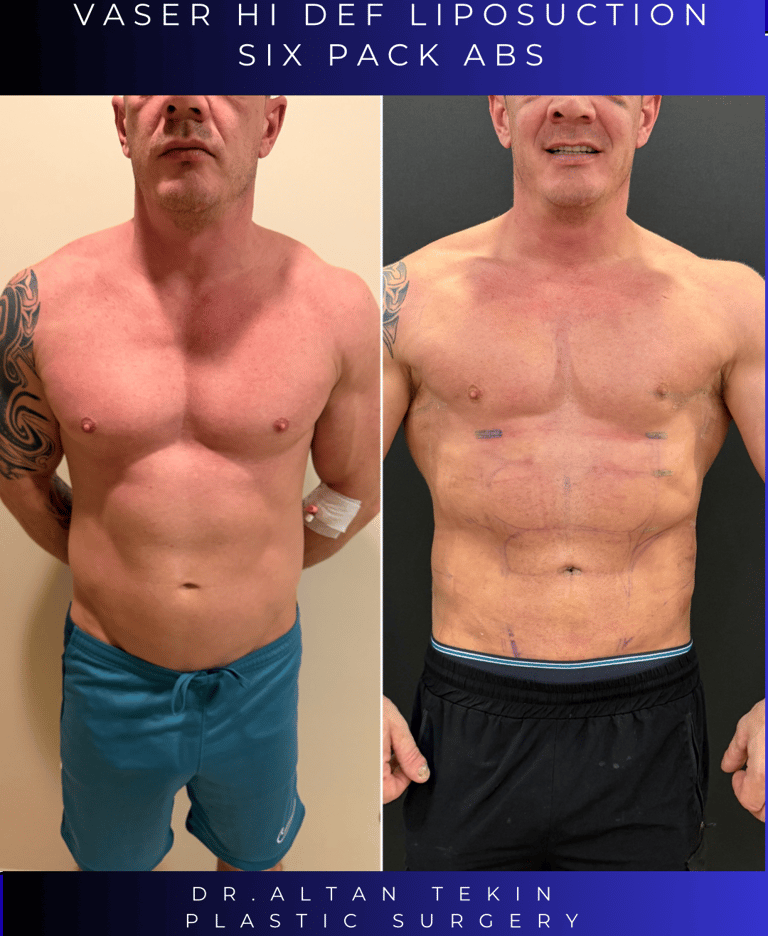
What is Vaser Liposuction? What are the advantages?
VASER liposuction (Vibration Amplification of Sound Energy at Resonance) is a liposuction technology used to target fat cells using ultrasonic energy during the fat absorption process. This technique was developed to target fat cells more precisely and facilitate absorption. VASER liposuction is a preferred method for body shaping and contour correction.
VASER liposuction aims to provide a more precise fat cell suction process compared to traditional liposuction. Ultrasonic energy is specially tuned to liquefy fat cells and cause minimal damage to surrounding tissues. This can speed up the healing process and reduce symptoms such as bruising.
What should be considered after liposuction?
There are some important points that you should pay attention to after liposuction (fat suction) surgery. It is important to strictly follow your doctor's recommendations for a successful recovery from the surgery. Here are some precautions you should pay attention to after liposuction surgery:
Rest and Recovery Process: It is important to rest after the surgery and allow time for the body to recover. Avoid strenuous physical activity for the specified time, according to your doctor's recommendations.
Use of Bandages and Clothing: Your doctor may recommend using a tight bandage or a special garment after surgery. This garment or bandage can help reduce swelling and maintain the shape of the surgical site.
Medication Use: Use the medications prescribed by your doctor regularly. These medications may be to relieve pain, reduce swelling, or prevent infection.
Cleaning of the Surgery Area: Clean your incisions and the surgery area after the surgery as recommended by your doctor. Observe hygiene rules to reduce the risk of infection.
Fluid Consumption: Make sure to drink enough water to maintain good hydration. Water consumption can contribute to the healing process.
Nutrition: Take care of a healthy and balanced diet. Consuming foods rich in protein and vitamins can promote healing.
Smoking and Alcohol: Smoking or consuming alcoholic beverages after surgery may adversely affect recovery. Stay away from such habits.
Doctor Controls: Perform the regular controls recommended by your doctor after the surgery. It is important that your doctor evaluates your recovery.
Swelling and Bruising: Post-operative swelling and bruising are normal. However, if it lasts for more than a certain period of time or is severe, you should contact your doctor.
Limiting Activities: Avoid heavy physical activities after surgery. Avoid returning to normal activities without your doctor's approval.
A careful post-surgery recovery is critical to achieving the best results. Following your doctor's recommendations and contacting promptly if you have any problems can help prevent complications.
What are the complications of liposuction?
Liposuction (fat suction) surgery, like any surgical procedure, has potential risks and complications. These risks may vary depending on factors such as the general health of the patient, the complexity of the surgery, surgical experience and technique. Here are some of the possible complications of liposuction surgery:
Infection: The risk of infection at the surgical site is present with every surgical procedure. It may need to be controlled with antibiotic therapy.
Bleeding: Bleeding may occur during or after surgery. Therefore, it is important to avoid heavy physical activities in the postoperative period.
Wound Healing Problems: There may be problems with opening at the seams, irregular healing or wound healing.
Scar Tissue Formation: There is a possibility of scar formation after surgery. In some patients, scar tissue may be more prominent.
Sensory Changes: Temporary or permanent sensory changes may occur in the skin after surgery.
Asymmetry or Irregularities: Asymmetry (unsymmetrical appearance) or irregularities may be experienced in the surgical area after the surgery.
Subcutaneous Fluid Collection (Seroma): Fluid accumulation (seroma) may occur after surgery. This may sometimes require evacuation.
Subcutaneous Tissue Death (Necrosis): Tissue death (necrosis), which is a rare complication, may occur due to nutritional problems of the skin or underlying tissue in the operation area.
Fluctuations or Fine Wrinkles on the Skin Surface: Irregularities or fluctuations may occur on the skin surface.
Fluid Balance Problems: Complications may occur due to fluid loss or imbalance after surgery.
Expectation of Aesthetic Results: Although liposuction generally gives positive results, the aesthetic expectations of the patient may not be fully met.
Most of these risks are rare and can be minimized with the experience of a good surgical team and the use of appropriate techniques. Your surgeon who performed the surgery will evaluate your specific health condition and explain the potential risks and complications before the surgery. Write the text here...
What you need to know about your liposuction recovery
Liposuction recovery
While liposuction is quite safe and can help to successfully remove stubborn fat pockets from the body, it's still a surgical procedure that requires care and attention for a proper recovery. Knowing what to expect post-surgery can help make the recovery process all the easier.
Recovery tips
You should not try to rush your recovery, but there are certain things you can do to help your body's natural healing process.
Eat well
Even if you're healthy, surgery is tough on your body. Proper healing requires good nutrition. You can prep healthy meals ahead of your surgery since you likely won't feel like cooking. Be sure to eat well and eat regularly.
Include plenty of fresh fruits and veggies in your diet to help boost recovery and limit inflammation.
Stay hydrated
Drink plenty of broth and water post-procedure. Hydration is a key component of successful recovery. You can infuse your water with fresh fruit if you need a change.
Rest up
Taking it easy and getting plenty of sleep in the first few weeks following your surgery are the best ways to help your body heal.
Take a walk
While exercise is not recommended during your recovery, light movement can actually help to speed your body's healing. If you feel up to it, taking short walks is a great way to get moving without straining your body.
Ask for help
When possible, you should ask for a friend or family member to help you with activities such as cleaning, caring for young children or running errands. You likely won't be able to pick up your children for a few weeks following surgery, and having a full schedule of errands will wear you down.
A few considerations
First, nothing is more important than a consultation with a board-certified plastic surgeon. A personalized consultation will allow an experienced surgeon to give you a more concrete idea of how well liposuction will work for you and what kind of recovery process to expect.
Second, you should also be aware that recovery varies from one individual to the next. Factors such as age, overall health and prior medical history all play a role in determining how quickly you will recover. It's important to let your body heal at its own pace.
Finally, you will want to have realistic expectations when undergoing liposuction. It can be wonderfully transformative when utilized to help meet certain aesthetic objectives, but speaking with a trusted, board-certified plastic surgeon about your goals will help you understand how feasible liposuction is for reaching those objectives.
Liposuction is a great confidence booster
Liposuction can be life-changing for many people. It can be a great way to boost your confidence and help you to feel happier with your appearance. Knowing what to expect during the recovery can help you make a better-informed decision to undergo liposuction and enjoy the journey to a slimmer, more contoured body.
The recovery process
This is typically an outpatient procedure, which means you can go home the same day, however, if you are having a significant amount of fat removed, you may be required to stay in the hospital overnight for observation.
The first three days
Your surgeon will have given you a compression garment or elastic bandages to wrap around the treatment areas. It's important to wear these diligently, as they help to reduce swelling and contour your body to its new shape.
You may also have small drains placed at the surgical sites. These prevent fluid from building up around the incisions, which can slow healing. If you have these drains, your surgeon will tell you exactly how to care for them and how long you will have them in.
During the first few days of recovery, you can expect moderate pain and soreness. Your surgeon will have given you pain medication to make this discomfort manageable, so follow your medication schedule closely.
You should plan to limit your activity during this time as well. Your compression garments may restrict your movements some, but it's also important to limit unnecessary activity when possible. It's recommended that you enlist help around the house for these few days, especially if you have young children.
Weeks 1-2
After the initial few days of total rest and moderate pain, you will likely notice a significant reduction in pain and soreness in the week or two following your procedure. Many people can return to work after two weeks, but if you have a particularly physical or demanding job, you may want to schedule additional time off in order to recover more fully.
You will still be required to wear your compression garments during this time as well.
Weeks 3-5
Around the one-month mark is when patients typically no longer feel pain or soreness. You may still see swelling, but this is normal. Swelling can take months to completely subside. At this point, you will likely begin to see visible results as well. Keep in mind that your results will improve as the swelling and bruising continue to heal.
After about four weeks, most people are able to resume light exercise, but any heavy or strenuous activity should still be avoided.
Week 6 and beyond
The six-week mark is where the majority of bruising and swelling should have subsided, but lingering swelling can last a bit longer for some.
You will likely no longer need your compression garments at this point, and your activity levels will no longer be restricted unless otherwise ordered by your doctor.
By this point, you will likely be able to see the full scope of your liposuction results.
For your questions:
Instagram: estetikcerrahiantalya and draltantekin
Email: altantekinclinic@hotmail.com
text: +905441388464
High-definition liposuction: Sculpt your body with precision
What is high-definition liposuction?
High-definition liposuction, also known as hi-def liposuction, emerged as a response to the limitations of traditional liposuction techniques. It is a specialized liposculpture technique designed to create sculpted, athletic and defined contours in the body.
Unlike traditional liposuction, high-definition liposuction targets and removes fat cells in specific areas dictated by the underlying muscle anatomy, resulting in a more sculpted appearance and enhanced muscle definition. This procedure is particularly popular among individuals seeking a chiseled and toned physique.
What is high-definition liposuction?
High-definition liposuction, also known as hi-def liposuction, emerged as a response to the limitations of traditional liposuction techniques. It is a specialized liposculpture technique designed to create sculpted, athletic and defined contours in the body.
Unlike traditional liposuction, high-definition liposuction targets and removes fat cells in specific areas dictated by the underlying muscle anatomy, resulting in a more sculpted appearance and enhanced muscle definition. This procedure is particularly popular among individuals seeking a chiseled and toned physique.
The high-definition liposuction procedure
The journey begins with a thorough consultation with a qualified, board-certified plastic surgeon. During this session, your specific goals and expectations are discussed, and a comprehensive assessment of your body's unique anatomy is conducted.
High-definition liposuction may be performed under local or general anesthesia. The VASER probe (ultrasound-assisted liposuction) is inserted through tiny incisions, delivering ultrasonic energy to the targeted fat deposits. This energy disrupts and liquefies the fat cells while preserving surrounding tissues. Once the fat cells are emulsified, they are gently suctioned out through a thin cannula, resulting in precise and controlled fat removal.
A key feature of high-definition liposuction is its ability to sculpt and define underlying muscle groups. The surgeon strategically removes fat to highlight natural contours, creating a sculpted, athletic appearance. While the removed fat may be discarded, it can also be reused by injecting it back into other areas of the body to create new contours. The procedure is ideal for refining areas such as the chest, abdomen, flanks, arms and thighs.
Recovering from high-definition liposuction
During your recovery from high-definition liposuction, adherence to postoperative care is crucial for optimal results. Your plastic surgeon should provide you with detailed post-op care instructions.
Patients are advised to wear compression garments to minimize swelling and support the healing process. These garments also aid in maintaining the newly sculpted contours.
While the downtime is relatively short, allowing the body to rest and recover is essential. Most patients can return to light activities within a few days, with more strenuous activities gradually reintroduced over the following weeks.
Staying well-hydrated and keeping a balanced diet contribute to the body's healing capabilities as well as help maintain your results.
Postop massages play a crucial role in the recovery process. Massages stimulate blood flow and lymphatic drainage, which aid in reducing swelling and bruising and promote better circulation, essential for healing. They prevent fibrous tissue and adhesions. They can also help to alleviate discomfort and muscle stiffness.
Regular follow-up appointments with your surgeon are scheduled to monitor progress and address any concerns. These appointments ensure that the recovery is on track and that the desired results are being achieved.
Benefits of high-definition liposuction
Enhanced precision and muscle definition
One of the primary advantages of high-definition liposuction lies in its exceptional precision. This technique employs advanced ultrasound technology to selectively target and emulsify fat cells while preserving surrounding tissues. This means that surgeons can etch and define muscles with unparalleled accuracy, creating a sculpted, chiseled look.
Traditional liposuction primarily focuses on fat removal, but high-definition liposuction goes a step further by highlighting the underlying musculature. The surgeon can precisely sculpt and define the muscles, creating a toned and athletic appearance. This technique is particularly popular for enhancing the appearance of the chest, abdomen, back, arms and thighs.
Natural-looking results
High-definition liposuction is renowned for producing incredibly natural-looking results. By enhancing muscle definition and fat reduction simultaneously, this technique can help you achieve a sculpted physique that appears as if it were achieved through rigorous diet and exercise.
Minimal downtime
This is a minimally invasive procedure, meaning less downtime and a quicker recovery. It typically involves small incisions and less trauma to the surrounding tissues. Most patients can return to their daily activities within a few days, making it a convenient option for those with busy lifestyles.
Highly customizable
Every body is unique, and high-definition liposuction recognizes this fact. High-definition liposuction is highly customizable, allowing patients to target specific areas of the body where they wish to achieve greater definition. Surgeons can tailor the procedure to suit the specific needs and goals of each patient. Whether you want well-defined abs, a more sculpted chest or a trimmer waistline, it can be tailored to your unique goals.
Long-lasting results
High-definition liposuction provides long-lasting results. Once the targeted fat cells are removed, they do not return. However, it's essential to maintain a healthy lifestyle to preserve the results and keep the sculpted appearance over time.
Getting the sculpted look you deserve
High-definition liposuction represents a significant advancement in the field of plastic surgery, offering patients the opportunity to achieve a sculpted and athletic physique with precision and minimal downtime. By highlighting muscle definition and providing natural-looking results, it offers a compelling alternative to traditional liposuction techniques and is increasingly becoming the go-to choice for individuals looking to enhance their body contours.
If you're considering a body sculpting procedure, it's essential to consult with a board-certified plastic surgeon to determine if high-definition liposuction is the right option for you. The key to a successful outcome lies in clear communication with your surgeon, realistic expectations and a commitment to maintaining a healthy lifestyle to preserve your newfound definition.
Liposuction vs weight loss: What are the differences?
Liposuction vs weight loss
Even when you're at your smallest, chances are there are one or two areas you might wish were proportioned differently. Genetics, hormones and aging cause our fat to be distributed in various ways, so some people carry their fat differently than others. From apple-shaped bodies to rectangles or pear shapes, it's perfectly normal for there to be differences.
However, many patients wish they could alter their physique by removing some of the fat from stubborn, isolated spots, so they turn to liposuction. Liposuction is not designed to be a weight loss tool, and it won't convey the health benefits of a good exercise routine and diet, but it does have numerous benefits.
Despite what is commonly believed, you don't have to be "big" to have liposuction. Patients who have this treatment are mostly individuals who maintain a stable, normal body weight but who also have some specific, problematic areas of fat, such as love handles, below-the-skin belly fat, a double chin or batwings on the upper arms.
These are the people who are considered to be ideal candidates. In fact, plastic surgeons prefer that patients are close to their ideal weight and are in a good state of health before having this surgery. Here's how normal weight loss differs from liposuction.
How weight loss works
We all have a set number of fat cells by the time we reach adulthood, and this number doesn't change much throughout the rest of our lifetime. Unfortunately, our fat isn't always distributed the way we want it to be. Even after we lose weight from all over the rest of the body through exercise, it doesn't guarantee that we'll be able to lose fat from specific areas.
Studies have shown that spot-reducing fat doesn't actually work. Traditionally, a healthy lifestyle has been the way of losing weight and maintaining your weight loss.
When you shed a few pounds by conventional means – such as eating healthy or exercising – the fat itself doesn't actually burn off. Instead, the fat cells simply shrink in size as some of their lipid contents are used up. These cells can become larger again if you put on weight in the future. Becuase you don't actually lose these fat cells, it's more likely for you to gain weight again after.
Normal weight-loss methods are also the only way of reducing visceral fat – the hard, protruding fat in the abdominal area that surrounds the internal abdominal organs. Visceral fat is more dangerous to our health than subcutaneous fat when we have an excess of it. Liposuction can't remove this fat, as liposuction only works on soft, subcutaneous fat that accumulates just under the skin on various areas of the body.
How liposuction works
As noted above, liposuction isn't a substitute for avoiding unhealthy foods and keeping active, but when other methods haven't worked for toning up some areas of your body, you might be a suitable candidate for body contouring surgery.
When you have liposuction, fat cells below the surface of the skin are eliminated permanently once they have been removed from the body. You'll still be able to gain weight, but it's more likely to go to other areas of the body that have not had liposuction. Liposuction is the ideal technique for dislodging and removing fat in isolated spots that are resistant to diet, exercise and lifestyle changes.
The majority of lipo patients only lose between two to five pounds, so you won't see any extreme weight loss from this surgery. However, maintaining a healthy lifestyle after you've had liposuction will help you to get better results from surgery, have a smoother recovery and maintain the physique you want in the long term.
High-definition liposuction vs liposuction – what's the difference?
High-definition liposuction vs liposuction
Liposuction is overall one of the most popular body contouring procedures performed by plastic surgeons. It consistently ranks in the top five cosmetic procedures performed annually because patients love that they can finally resolve stubborn fat that just won't go away with diet and exercise alone.
Although it is a classic procedure, the various techniques and technologies used to perform liposuction have evolved over the last few decades. These changes mainly involve the use of specific cannulas, power assist devices and energy devices to make fat removal easier and gentler.
One of the newer options for liposuction is a procedure known as "high-definition" liposuction. But what's the difference? Here's what you should know about these procedures.
Why high-definition liposuction is unique
The idea behind high-definition liposuction is to remove (and sometimes add) different amounts of fat in specific areas of the body to create a three-dimensional result. Fat is also removed in various layers to create the patient's desired contours.
In the abdomen, for example, "negative spaces" are created by removing additional fat between the stomach muscle groups to create the appearance of more defined muscles. The amount of muscular definition the patient wants is discussed preoperatively to assess his or her aesthetic goals.
More fat is suctioned in the area of the negative space and less fat is suctioned between the spaces to create the illusion of three-dimensional depth. The horizontal lines between the rectus muscle are also defined to give the appearance of a "six-pack".
In male patients, the anterior serratus muscles, which are located on the upper sides of the ribcage, can also be defined for a sculpted look. Similar techniques are used in the male chest to create a more athletic chiseled appearance. Liposuction combined with gland excision can be used to enhance the masculine appearance of the chest.
Creating negative space around the pectorals frames the chest. In addition, fat grafting (adding the patient's own fat) can be performed near the top of the chest to add muscular bulk to this area.
To improve the back of the body in both men and women, negative spaces are highlighted near muscles in the lower and upper back. In male patients, this gives the highly desirable "V" shape highlighting the muscle bulk of the area. In addition, the rear flanks behind the hips are aggressively suctioned to create the "V" taper appearance of the male abdomen and an hourglass silhouette for the female patient.
What is liposuction?
Traditional liposuction is a surgical procedure designed to remove pockets of stubborn fat to improve the size of a specific area, like the stomach, hips or thighs. Typically, traditional liposuction removes fat evenly across the treatment area for a sleek look.
Fat grafting with high-definition liposuction
Unfortunately, we don't currently offer [specific service inquiry]. However, we do offer [alternative service] which might be helpful.
What is high-definition liposuction?
High-definition liposuction uses similar techniques to those used in traditional liposuction. Various cannulas are still used to suction fat. The procedure can be performed with manual cannulas or power-assist devices in combination with energy-based devices.
However, high-definition liposuction involves the surgeon approaching the fat removal process differently from traditional techniques, precisely sculpting the treatment area to improve its contours and muscular definition.
Getting the best results from high-definition liposuction
A comprehensive approach to high-definition body contouring by analyzing and understanding the various muscle groups as well as evaluating areas for fat grafting is critical for creating the best possible results. Removing and adding fat strategically can create incredible 3-dimensional results that elevate standard liposuction results.
High-definition liposuction is often performed with the use of vibrational amplification of sound energy at resonance (VASER). This involves using ultrasound technology to break up the fat and make the extraction process safer and more precise, with less physical work needed by the surgeon. It also allows fat to be suctioned superficially to the skin, which is necessary for the hi-definition result.
High-definition liposuction does have a steep learning curve, so it's important to choose an experienced board-certified plastic surgeon to perform the procedure. Patients must also follow all the recovery instructions provided by their surgeon to promote proper healing and good results. Postoperative compression garments, massage and closed suctioned drains are part of the recovery protocol.
Address
Çelikoğlu Sitesi, B Block, 1st Floor, Apartment 3, 1546th Street, Şirinyalı, Muratpaşa, Antalya 07160, Türkiye
DR. ALTAN TEKIN
Op. Dr. Altan Tekin is a board-certified Plastic, Aesthetic and Reconstructive Surgeon in Antalya, Turkey.
Particular attention is given to patients seeking facelift surgery, body contouring after significant weight loss, and mommy makeover surgery.

