CONTACT US: +90 543 233 26 08







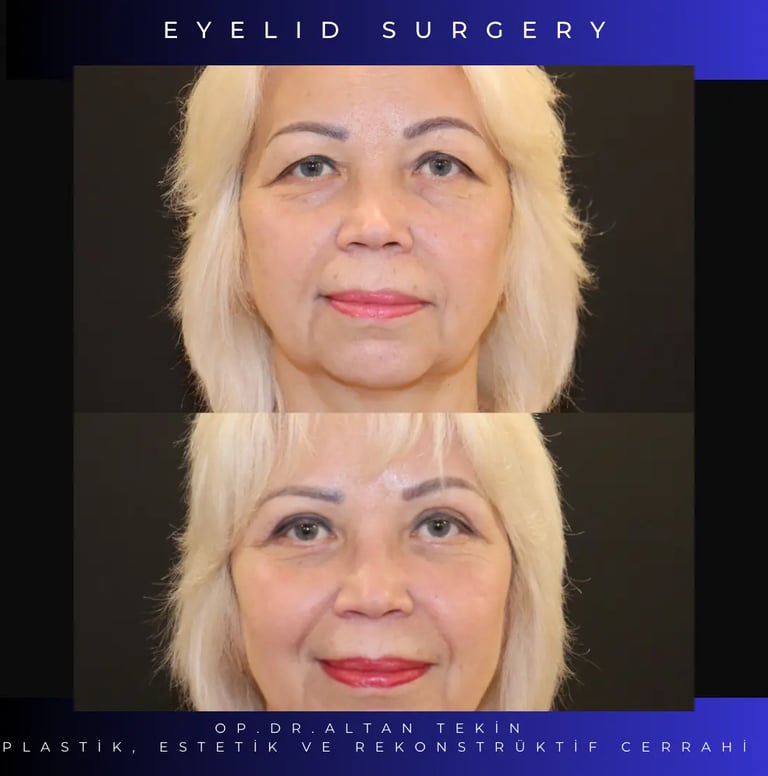
Eyelid Surgery (Blepharoplasty) in Antalya, Turkey
Blepharoplasty in Antalya by Dr. Altan Tekin– Board-Certified Plastic and Aesthetic Surgeon
Looking for eyelid surgery in Antalya, Turkey performed by an experienced specialist?
As a Plastic and Aesthetic Surgery Specialist based in Antalya, I, Dr. Altan Tekin, provide advanced blepharoplasty (eyelid surgery) procedures designed to rejuvenate the eye area while preserving natural facial expression.
Blepharoplasty is a highly effective surgical procedure that removes excess skin, fat, and in some cases muscle from the upper and/or lower eyelids. It improves both cosmetic concerns—such as droopy eyelids, under-eye bags, and tired appearance—and functional problems, including visual field restriction caused by sagging upper eyelid skin.
At my clinic in Antalya, Turkey, we combine modern surgical techniques with personalized treatment planning to deliver safe, natural, and long-lasting results for both local and international patients.
Why Choose Dr. Altan Tekin for Eyelid Surgery in Antalya?
✔️ Specialist in Plastic and Aesthetic Surgery
✔️ Extensive experience in upper & lower blepharoplasty
✔️ Natural, harmonious results
✔️ Advanced surgical techniques
✔️ Modern clinic in Antalya
✔️ Personalized consultation & treatment planning
What Is Blepharoplasty?
Blepharoplasty (eyelid reduction surgery) is performed to:
Remove sagging upper eyelid skin
Eliminate under-eye bags
Reduce puffiness caused by fat deposits
Improve peripheral vision in severe upper eyelid drooping
Restore a more youthful and refreshed appearance
Whether performed alone or combined with other facial aesthetic procedures, eyelid surgery can dramatically enhance facial harmony while maintaining a natural look.
If you are considering eyelid surgery in Antalya, schedule a consultation with Dr. [Your Name], your trusted Plastic and Aesthetic Surgeon in Turkey, and discover how blepharoplasty can refresh your appearance safely and effectively.
What Concerns Can Blepharoplasty Treat?
Blepharoplasty is designed to address several common eyelid concerns, including:
Hooded or Drooping Eyelids
Excess skin on the upper eyelids can droop over the natural eyelid crease, sometimes reducing the field of vision. Upper eyelid blepharoplasty removes this excess skin, improving both appearance and visual function.
Under-Eye Bags
Lower eyelid blepharoplasty targets under-eye bags caused by protruding fat deposits. These bags can create a tired or aged appearance and, in some cases, cause discomfort.
Why Do Eyelid Problems Occur?
As we age, the skin and muscles naturally lose elasticity. Because the skin around the eyes is extremely thin and delicate, signs of aging often appear here earlier than in other areas of the face.
In the upper eyelids, loose skin accumulates and forms folds that may sag over the eyelid margin.
In the lower eyelids, muscle relaxation allows the fat that cushions the eye to bulge forward, leading to under-eye bags.
Blepharoplasty effectively corrects these changes by restoring firmness and contour to the eyelids.
Blepharoplasty Combined with Other Procedures
Blepharoplasty is often combined with other facial rejuvenation procedures to enhance overall results, such as:
Combining procedures can provide a more balanced and harmonious facial rejuvenation outcome.
Blepharoplasty in Antalya with Dr. Altan Tekin
The Altan Tekin Clinic is recognized as one of the leading providers of blepharoplasty in Antalya. Dr. Altan Tekin and his experienced surgical team offer advanced eyelid surgery techniques with a strong focus on safety, natural aesthetics, and long-term patient satisfaction.
Patients from Antalya and across Türkiye choose Dr. Altan Tekin for his expertise in eyelid surgery and personalized approach to facial aesthetics.
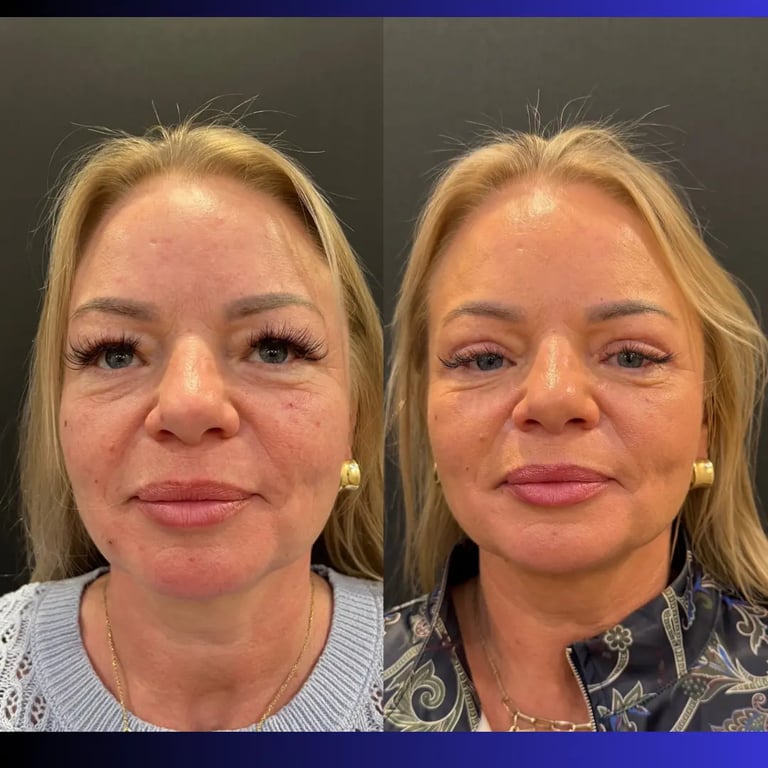
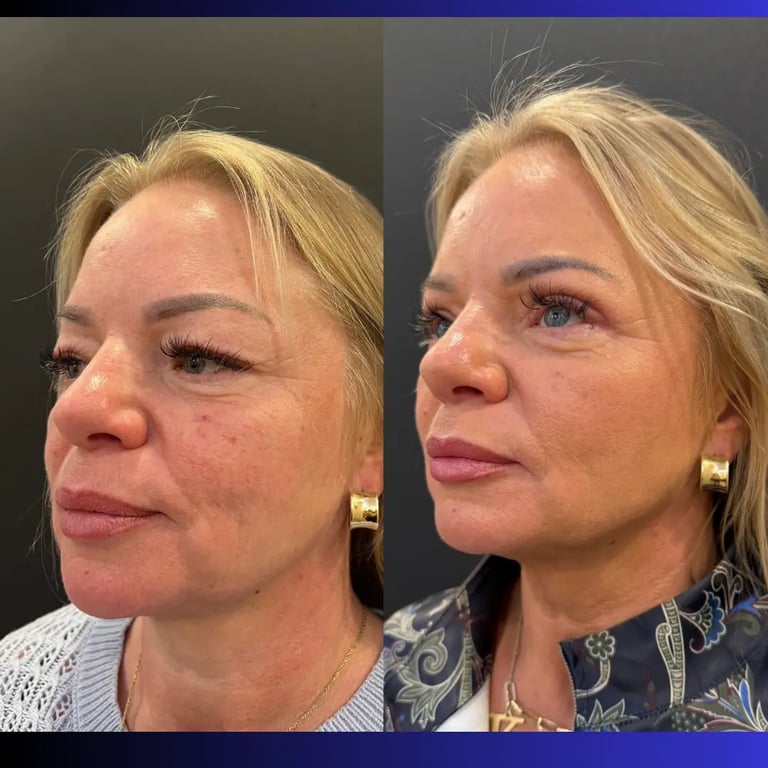
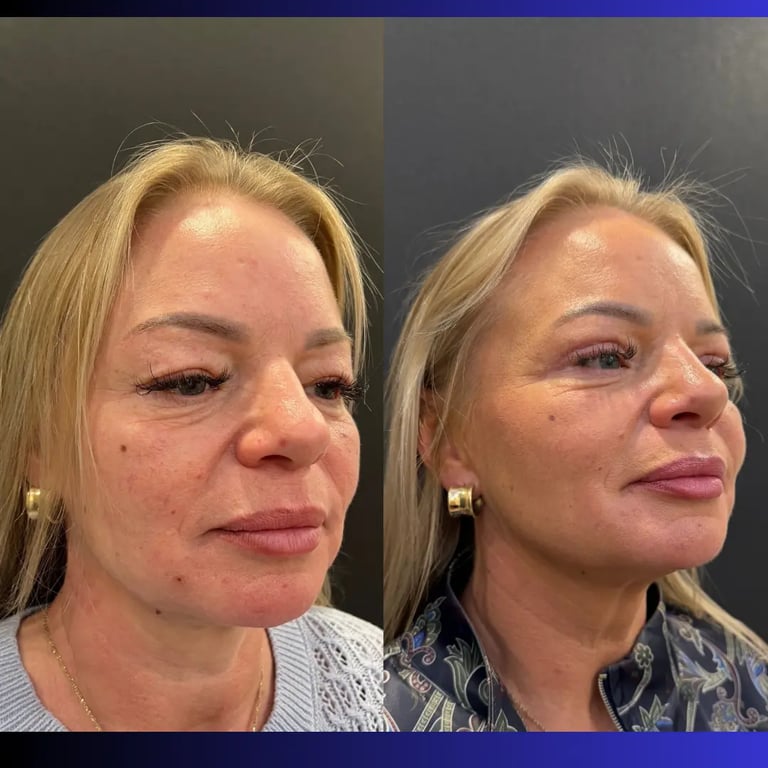
Before and After Eyelid Surgery Results
Before and after photos of eyelid surgery show the improvement in eyelid contour, reduction of excess skin, and a more refreshed appearance. Results may vary depending on individual anatomy and surgical technique.











Blepharoplasty in Antalya, Türkiye
Stress, a lack of sleep, excessive sun exposure, smoking and genetics can make eye folds, creases and bags look worse.
The ageing process can also cause eyelids to droop and folds of skin to accumulate in the upper lids. Sometimes this gathered skin can hang over the eyelashes and interfere with vision. An Upper Blepharoplasty can improve vision and make you look younger. A Lower Blepharoplasty reduces wrinkles and puffiness, rejuvenating the eye area and improving comfort. The procedure is suitable for men and women looking for a quick and effective way to address concerns affecting the eye area in the long term.
Blepharoplasty surgery is increasing in popularity and was the third most popular surgical procedure carried out on men and women in the Türkiye in 2020, beaten only by Breast Augmentation and Breast Reduction.
Why Do People Have Blepharoplasty?
Blepharoplasty is designed to improve a range of functional and medical concerns, and can also achieve aesthetic rejuvenation in the eye area:
Medical reasons:
To remove excess upper eyelid skin that may restrict peripheral vision or cause brow strain, headaches, or eye fatigue.
To correct eyelid drooping (ptosis) that can interfere with sight or make the eyes feel heavy and tired.
To reduce puffiness or lower eyelid swelling that may cause irritation, watering, or discomfort when wearing glasses.
To restore normal eyelid function and improve comfort and visual field.
Aesthetic reasons:
To rejuvenate the eye area by reducing drooping lids and under-eye bags that create a tired or aged appearance.
To refine eyelid contour for a fresher, more balanced look in harmony with facial features.
To enhance natural definition around the eyes while maintaining an authentic, natural expression.
Who is Suitable for Blepharoplasty Surgery?
What are the Different Types of Eyelid Reduction Surgery?
Blepharoplasty is a surgical procedure carried out under either:
General anaesthetic, meaning you are completely asleep and unaware of your surgery
Sedation where you are awake but unaware of the procedure and feel no pain or discomfort
Local anaesthetic, which involves you being awake and aware, but the eye area is completely numbed
Your surgeon will explain which is the best option for you during your consultation.
Depending on the techniques used, and whether other surgical procedures are required, a blepharoplasty takes 30-90 minutes. There are three different techniques that we carry out at Altan TekinClinic:
Upper Eyelid Blepharoplasty
Your surgeon will make a small oval shaped incision along the eyelid crease before removing excess skin, fat or sagging muscle. They will then stitch the two sides together to lift the eyelid and remove any skin folds. This is the most common form of Blepharoplasty surgery and targets age-related concerns around the eyes, such as drooping skin and loss of tone. It can also restore vision in cases where this is a concern due to folds of skin sitting on the eyelashes. Any scarring will be concealed within the eyelid crease.
Lower Eyelid Blepharoplasty
Lower eyelid blepharoplasty targets wrinkles and puffiness below the eye, usually caused by the fat pads pushing forwards as the muscle around the eye has weakened with age. Your surgeon will either make an incision from under the lower eyelashes to the outside corner of the eye, or inside the lower eyelid before taking out or repositioning fat pads from the under-eye bags. Sometimes the surgeon will also manipulate and tighten the skin, supporting the muscles and tendon of the eyelid if required. The skin is repositioned to smooth out the wrinkles and the incision is then closed.
Double Eyelid Blepharoplasty
Some people have visible eyelid creases, known as double eyelids, while others were born without eyelid creases - this is especially common in people from an East Asian background. Although there is nothing medically concerning about this feature, some patients feel it makes their eyes look smaller. Several small incisions are made on the natural double eyelid line and skin is removed. The muscle which closes the eyelids - called the orbicularis oculi, and fat tissue will be removed between the incisions. The incisions are then closed so the eyes heal with a natural double crease.
What to expect from eyelid surgery
You will have up to two consultations with your consultant at our award-winning clinic in Antalya. You will get to discuss your concerns and the results you are hoping to achieve from your Eyelid Reduction procedure. Surgical consultations are usually up to an hour long, and your surgeon will explain what they are planning on including in your surgical plan and any specific steps you need to take to prepare.
We recommend preparing for your consultation by writing down any questions you have for your surgeon. This will allow you to get the most from your consultation and feel fully prepared. Your surgeon will also assess your general health and wellness, take your measurements, and take photos of your eyes and face.
Your surgeon will write up your plan and send it to your patient advisor. If your surgeon has recommended Blepharoplasty for you, your advisor will contact you with your surgical plan, your quote and let you know when your surgeon’s next available operating dates are. You will then have a two-week cooling off period to allow you to reflect on your surgical plan and decide whether you would like to proceed with your Blepharoplasty.
The eyelid surgery consultation
Leading up to procedure
If you do proceed with your Blepharoplasty, your next visit to Altan Tekin Clinic will be on your surgery day. You will be asked to follow these steps to prepare for your procedure:
You will need to complete your pre-operative medical and psychological assessment forms to allow your surgeon, anaesthetist, and nurses to review all your information and ensure you are safe for surgery.
Your surgeon will ask you to stop smoking and vaping for six weeks before surgery can take place. This results in a smoother and more efficient recovery.
Excessive alcohol consumption can also have a negative impact on your recovery. You will be asked to reduce your alcohol consumption and consume no alcohol in the 48 hours before your procedure.
You will be asked to not take any anti-inflammatory medications such as ibuprofen and aspirin, and any herbal supplements, a week before your surgery as these can increase the risk of bleeding.
You will need to make sure you have a chaperone confirmed to come and collect you after your procedure. This should be a family member or friend who can either drive you or accompany you in a taxi and stay with you for the first night.
In the 6 hours before you arrive at the clinic, you mustn’t eat any solid food or consume any juice or milk (including tea or coffee). You can have sips of clear liquids (water, or black tea and coffee) up to 2 hours before you arrive at the clinic.
On the day
You will be asked to arrive at the clinic an hour before your surgery time for admission. You will speak to your surgeon, anaesthetist, and our nurses. You will be asked to put on a surgical gown and compression socks, and your surgeon will make any marks they need around your eyes.
When you enter the theatre, your anaesthetist will administer your anaesthetic or sedation. All surgical procedures at Altan Tekin Clinic are carried out using TIVA (Total Intravenous Anaesthesia) which has many benefits including less risk of feeling sick during your recovery and waking up faster.
Your surgeon will then complete your Blepharoplasty. After they have finished, you will first go to our recovery ward and then our ambulatory ward, once you are fully awake and comfortable. You will have pre-ordered some food, and the nurses will check your vital health signs. They will also explain any aftercare you need to be aware of such as your medication and looking after your incisions. Once they are happy that you are well and ready, you will be discharged, and your chaperone will be asked to come and collect you.
Eyelid Surgery Treatment recovery
During the first few days following surgery you may experience some slight discomfort. Blepharoplasty patients are often prescribed an antibiotic eye ointment which can make your vision slightly blurry. You may also be given a cooling eye mask to wear throughout your recovery to reduce swelling and aid healing. Blepharoplasty recovery is usually relatively fast, and you can expect the swelling and bruising to reduce within 1-2 weeks.
One week after your surgery, you will have an in-person appointment to have your sutures removed and have your incisions cleaned. The team will explain how you need to continue to look after your dressings and answer any questions.
Six weeks after your procedure you will be asked to come and see your surgeon so they can examine your eyes again and make sure you are happy with your results. They will explain what you can expect going forwards. If you have any questions from this point onwards, you will still be able to contact our specialist cosmetic surgery nurses at any time.
The Risks of a Blepharoplasty
Every surgical procedure comes with certain risks that you must understand and be aware of. Your surgeon will explain these in your consultation and will also assess your personal risk for certain factors. They may ask you to take certain precautions during your surgical preparation to reduce these risks.
Specific risks associated with eyelid reducion surgery include:
Dry eyes - if you have previously suffered from dry eyes, or already use eye drops, this may worsen after surgery.
Irritated or watery eyes - this usually resolves within two weeks.
Temporary swelling around the eyes making them difficult to close.
Blurred or double vision - this is rare and usually temporary.
Dropping of the upper eyelid - this may require a secondary surgery.
The lower eyelid pulling downwards, known as eyelid retraction.
The lower eyelid drooping away from the eye and turning outwards, this is known as an ectropion. It is usually caused by normal post-operative swelling and usually settles on its own.
Haematoma - blood pooling under the skin. This will need to be treated by your surgeon.
Seroma - fluid collecting under the skin. This will require treatment from your surgeon.
Asymmetrical eyes - On occasion your surgical results will appear differently on each eye.
Occasionally, complications or less than favourable results, will result in the need for a revision or secondary surgery. Complications can arise for reasons out of your surgeon’s control. The consultant surgeons at Altan Tekin Clinic are fully qualified and have performed Blepharoplasty frequently, for many years, and are some of the leading eyelid surgery Antalya providers.
What should be considered after eyelid surgery?
There are some important points to be considered after eyelid surgery (blepharoplasty). The post-operative recovery process may vary according to the general health status of the person, the complexity of the surgery and the doctor's recommendations. Here are some general recommendations to be considered after eyelid surgery:
Rest: Take care to rest after surgery. Support your body's recovery by resting for the first few days.
Head Position: Keeping your head elevated while lying down after surgery can help reduce swelling and bruising.
Cold Application: Try to reduce swelling and bruising by using ice packs or cold compresses in the first days after surgery.
Eye Drops or Cream: Use eye drops or cream recommended by your doctor regularly, this can reduce dry eyes and discomfort.
Stitch Care: If stitches have been used, care for them as recommended by your doctor.
Eye Protection: Take care to protect your eyes from the sun, wind and dust for the first few weeks after surgery. It may be useful to wear sunglasses.
Avoid Heavy Activities: Avoid heavy sports and activities for a while after surgery. Do not start exercising without your doctor's approval.
Monitoring Side Effects: Share side effects such as pain, redness, swelling or vision problems after surgery with your doctor.
Doctor Check-ups: Do not neglect to go to regular doctor check-ups after surgery. It is important that your doctor follows your recovery process.
Nutrition and Hydration: Pay attention to a healthy diet and make sure you drink enough water. This can make a positive contribution to the healing process.
Smoking and Alcohol: Limiting or completely stopping smoking and alcohol use in the postoperative period can support the healing process.
Psychological Support: Emotional difficulties may sometimes occur in the postoperative period. It is important to be aware of this situation and to receive psychological support when necessary.
Remember that since every patient is different, it is best to follow your doctor's specific recommendations for the postoperative period. If you experience any problems or complications, you should contact your doctor immediately.
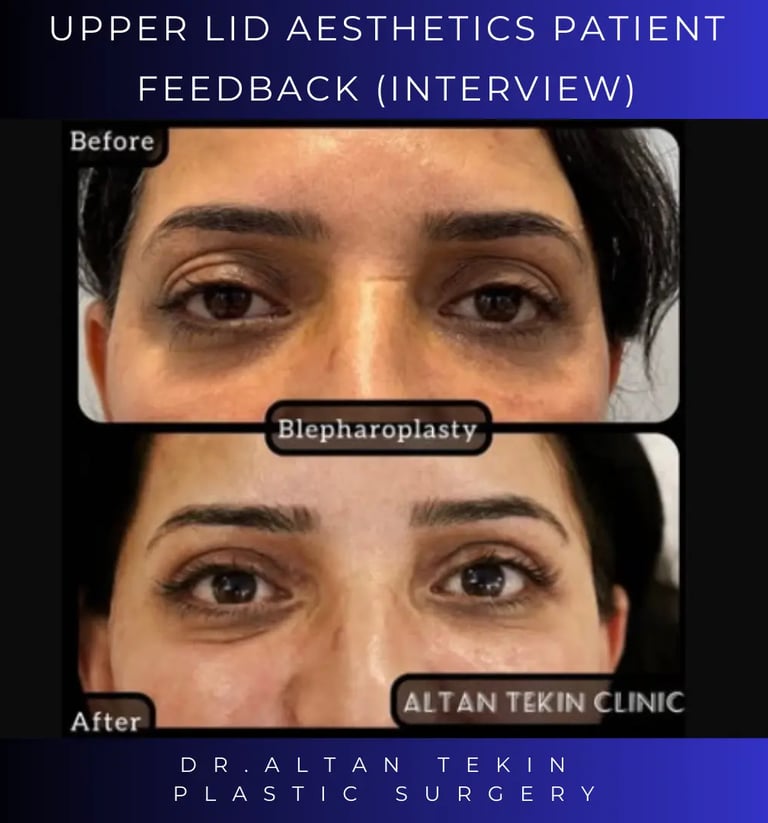

Frequently asked questions about eyelid surgery
Will there be any scars after eyelid surgery? What can I do to reduce the scars after eyelid aesthetics?
There are usually small scars left after eyelid surgery, but these scars fade and disappear over time. There are some methods to reduce scars after surgery. First, it is important to use antibiotic ointment regularly as recommended by your doctor. In addition, you should rest in a sterile environment and keep your eyes clean at all times to speed up the healing process. You can use the creams recommended by your doctor and massage regularly to reduce scars. In addition, it is important to use glasses to protect from the sun and to cover the stitches with protective tape after surgery. If the scars are still visible, you can contact your doctor and evaluate the necessary treatment methods.
Is eyelid surgery performed with local or general anesthesia? Is the patient put to sleep during eyelid surgery?
Eyelid surgery is usually performed under local anesthesia. This allows the area to be numbed during the surgery and the patient is fully awake. Local anesthesia is provided by a medication applied to the eye and the surrounding area before the surgery. General anesthesia involves performing the surgery while completely asleep. However, since eyelid surgery is usually performed under local anesthesia, general anesthesia is rarely necessary. Local anesthesia helps patients recover faster and experience less discomfort after the surgery. For this reason, local anesthesia is usually used for eyelid surgery.
Is there a lot of pain during eyelid surgery? Is there a lot of pain after eyelid surgery?
Some patients may feel a slight pain during eyelid surgery. However, this is usually tolerable since local anesthesia is applied. After the surgery, a slight pain and discomfort is normal. This pain can be controlled with the use of painkillers after the surgery. In addition, swelling and bruising may also be seen after the surgery. These symptoms usually decrease within a few days and the healing process accelerates. After eyelid surgery, it is important to follow your doctor's recommendations and go for regular check-ups.
Do the stitches in eyelid surgery dissolve on their own or do they need to be removed?
The stitches used in eyelid surgery are usually self-dissolving. Therefore, it is not necessary to have the stitches removed. After the surgery, your doctor will wait for the stitches to dissolve and they will usually disappear on their own within a few weeks. In this way, the healing process is completed without the need for any additional procedures. However, each individual's healing process may be different, so it is important to follow your doctor's instructions during post-operative check-ups. If you have any problems with the dissolution of the stitches or the healing process, it is best to consult your doctor.
Does eyelid surgery damage the eye? Does eyelid surgery cause blindness? Does vision deteriorate after eyelid aesthetics?
The probability of eye damage during eyelid surgery is quite low. These surgeries performed by expert surgeons are generally safe and do not adversely affect eye health. However, as with any surgical procedure, complications may occur in rare cases. The risk of blindness from eyelid surgery is also quite low. Expert surgeons try to minimize this risk by taking all precautions before and during surgery. Visual impairment after eyelid aesthetics is also a rare condition. The healing process usually progresses smoothly and patients' vision is not affected. However, since each individual's healing process may be different, regular check-ups after surgery and compliance with the surgeon's recommendations are important.
After how many years should eyelid surgery be repeated?
The need for re-surgery after eyelid surgery may vary depending on several factors. Factors such as the reason for the surgery, surgical method, recovery process and the person's general health should be taken into consideration. Generally, eyelid surgeries provide long-term results and do not require re-surgery. However, in some cases, a new intervention may be required due to post-surgery complications or the aging process. Following your doctor's recommendations after eyelid surgery, having regular check-ups and paying attention to your eye health are important to optimize the long-term effects of the surgery. Since it is not possible to give a definite time frame for the need for another surgery, it is important to stay in touch with your doctor.
What should I pay attention to when choosing a doctor for eyelid surgery? Who is the best surgeon in Antalya for eyelid aesthetics and blepharoplasty? Who is the most suitable surgeon in Antalya for eyelid aesthetics?
There are some important points to consider when choosing a doctor for eyelid surgery. First of all, you should check your doctor's experience and expertise level before the surgery. A good eyelid aesthetic surgeon should have worked in this field for many years and achieved successful results. It is also important that your doctor understands you well and can communicate with you in a way that meets your requests. When choosing the best eyelid aesthetic surgeon in Antalya, you should also consider the references. The satisfaction of their patients and their success stories show the level of professionalism of your doctor. At the same time, the surgery costs should also be taken into consideration. You can make a choice that suits your budget by comparing the prices of the most suitable eyelid aesthetic surgeon in Antalya.
Do scars disappear after eyelid surgery?
Eyelid surgery scars usually fade over time. This type of surgery is usually performed by plastic surgeons and aims to correct sagging eyelids. Redness, swelling and bruising may occur for a while after surgery, but these symptoms will improve over time. It is important for patients to follow their doctor's instructions for scars to disappear. Regular dressings should be applied during the wound healing process and recommended creams should be used. It is also important to protect from the sun and other factors that can cause skin irritation. The time it takes for scars to completely disappear can vary from person to person, but it usually takes a few months to a year.
Is it possible for the eyes not to close after eyelid surgery?
It is rare for the eyes not to close after eyelid surgery. However, as with any surgical procedure, this type of surgery carries some risks. There may be excessive swelling or bruising in the eyelid after the surgery, which can make it difficult to close the eyes completely. However, the techniques used during the surgery and the experience of the surgeon can also affect the outcome. It is important for your surgeon to explain the postoperative process to you in detail and discuss possible complications. If you think your eyes are not closing after the surgery, you should see your doctor immediately.
Is eyelid surgery possible with laser?
Yes, laser eyelid surgery can be performed. Eyelid surgery is a surgical procedure performed to correct conditions such as sagging, puffiness or excess fat accumulation in the eyelid. This surgery is generally preferred to solve problems that cause visual discomfort and narrow the field of vision. Laser technology is also used in eyelid surgeries and offers many advantages. Since laser eyelid surgeries are a less invasive method, the recovery process can be faster and more comfortable. However, not every patient may be suitable for laser surgery, so it is important to determine the appropriate treatment method by consulting an ophthalmologist.
How can I fix wrinkles around my eyes without surgery?
If you are wondering about non-surgical methods for correcting wrinkles around the eyes, you have a few options. The first option is BTKS injections. It is an effective method for reducing wrinkles around the eyes. The second option is fillers. Fillers such as hyaluronic acid or collagen can help to plump up wrinkles around the eyes and correct them. The third option is laser treatment. Laser treatment heats the lower layers of the skin, increasing collagen production and reducing wrinkles around the eyes. All of these methods do not require surgery and usually offer a quick recovery process. However, it is important to consult a dermatologist or plastic surgeon to determine which method is best for you.
Can eyelid sagging be corrected without surgery? What methods can be used to correct eyelid sagging?
Yes, eyelid sagging can be corrected with non-surgical methods. There are usually different options for eyelid tightening. One of these is BTC injections. BTC injections reduce sagging by relaxing the muscles on the eyelid. Another option is mesotherapy. Mesotherapy helps correct sagging skin with a special cocktail applied to the eyelid. In addition, skin tightening methods such as radiofrequency and laser can be used to correct eyelid sagging. However, it is important to consult a specialist to determine which method is best for you.
Eyelid Reduction is another term for Blepharoplasty, but is specifically used to refer to techniques designed to tighten the eyelids and reduce, reshape or lift the eyelid skin around the eye to achieve a refreshed, rejuvenated appearance.
It is possible to tighten the eyelids and reduce, reshape and lift the eyelid skin in just 45 minutes, and this treatment is appropriate for both men and women.
What is Eyelid Reduction?
What side effects does Blepharoplasty surgery have?
It is very common after surgery to have puffy eyelids for a while, but significant complications are rare. You might have more trouble in the evening when trying to shut your eyes to sleep the first few nights. Your eyes may be irritated or watery for several weeks following the surgery, but this will return rapidly to normal. You may also have bruising resembling a black eye, and some light pink scarring that will fade over time.
Blurred vision immediately after surgery due to persisting local anaesthetic and ointment applied to the eye at the end of the procedure.
Our surgeons will explain all the risks, the likeliness of them occurring and any possibilities of complications upon consultation.
What does Blepharoplasty surgery involve?
Blepharoplasty is a straightforward surgery which is carried out as a day case. It is usually done under Total Intravenous Anaesthesia (TIVA), a light anaesthetic, but smaller procedures may only require local anaesthetic. The surgery takes between 30 minutes and one hour, depending on the particular type of blepharoplasty which is being carried out.
Double Eyelid Blepharoplasty is particularly popular in East Asia
What risks are associated with Blepharoplasty surgery?
Blepharoplasty is a safe surgical procedure, and you will be in the hands of a world-class, highly experienced, Blepharoplasty surgeon here at the Altan Tekin Clinic.
However, like any other surgery, Blepharoplasty is not entirely without risk.
An eye lift can very occasionally result in:
Very rarely, a Blepharoplasty may result in more serious problems, such as:
Lower eyelid pulling downwards, showing the white of the eye below the iris (eyelid retraction)
Lower eyelid drooping away from the eye and turning outwards (ectropion)
Ectropion is caused by post-operative swelling and usually settles as the swelling subsides.
How should I prepare for Blepharoplasty treatment?
Your surgeon will give you all your pre-operative advice at your consultation. This may include having an eye test, if you have eye health issues, as well as a physical examination and eyelid photography from all angles.
You will need to stop taking blood thinning medication such as aspirin, ibuprofen, naproxen, and any other medication or herbal supplement associated with increased bleeding. Your surgeon will advise how long before surgery you need to stop taking these medicines.
You are advised to stop smoking for at least two weeks before your surgery. Smoking reduces healing and increases the risk of complications. Arrange for someone to drive you to and from surgery on the day.
Is Blepharoplasty surgery painful?
Blepharoplasty is basically skin deep and there is little pain in the post-operative recovery phase. Any discomfort is minor and can be controlled with simple pain relief and eye ointments provided by your surgeon.
Most patients need no analgesia at all after this surgery. Any feeling of grittiness after surgery can be treated with the eye ointment given to you at the time of surgery. Although patients may look bruised and have visible dressings, they can often work from home the next day, and be back to their daily activities after a few days. The pain is minimal.
How long does it take to recover from Blepharoplasty?
Recovery from Blepharoplasty is quick but because surgery is in the middle of the face, the dressings and any bruising will be visible. There are a few patients who disregard this and continue normal life, however, we would suggest that exercise is a bad thing as it will delay recovery from bruising and swelling. Working from home is a good option, but it will take 10 days for bruising of the lower eyelids to settle, the upper eyelids generally settle rather quicker. Bruising can be disguised with make-up and we can advise you about cosmetic camouflage. If you are at all sensitive, you should take two weeks before appearing at work. Stitches are removed in the first week. You should also remember that vision can be a little blurred the first day. This is partly due to the surgery and local anaesthesia used, even when you have a general anaesthetic, but also the ointment applied inside the eyelid morning and night does to some extent obscure vision.
On occasion surgery to the lower rather than the upper eyelid can cause swelling which is a nuisance for longer. There is always swelling of tissues after surgery and if this extends under the conjunctiva and on to the eyeball, this is called chemosis. It makes the eye look watery and this can take several weeks to completely settle. In addition, any bruising under the conjunctiva gives bright red ‘haemorrhages’. Chemosis and haemorrhages are of no significance other than the appearance, it does eventually settle.
Swelling can also push the lower eyelid away from the eyeball causing an ectropion, which is annoying but in most cases settles spontaneously within a few days or weeks.
Do I need downtime after Blepharoplasty treatment?
This really depends on your tolerance to the procedure and your recovery. All the surgery is in the middle of the face and therefore rather obvious. There will be some small dressings for about a week and a little bruising of the cheeks below the eyelids. There may be some minor pain and swelling around the incision areas, and your eyes will tend to water.
Alternatively, there may be some dryness that occurs, which is easily relieved with some ointment that your surgeon will provide. Occasionally the ointment will cause the patient to have slightly blurred vision, so you may want to rest and take some extra time off work to just relax at home where you’ll be comfortable. Some patients may have added sensitivity to light temporarily following eyelid surgery, so bare that in mind if your work involves bright lights.
Longer term you may develop chemosis, which is oedema (swelling) of the conjunctiva covering the white of the eye. It settles, but it may take a week or two. Those people who have malar pads or festoons of the upper cheek will find that these swell and persists for a month or two.
We would advise you to rest, avoid putting your head down and ad an extra pillow at night, so that any swelling or bruising settles quicker. We do have patients, who completely disregard this advice, without long-term issues and go back to full work or off on holiday the following day. We do however, like to see the patients to remove stitches a few days later. We will advise on make-up or in the form of cosmetic camouflage which does allow you to get out and about with confidence.
Blepharoplasty surgery can give life-changing results and an experienced expert surgeon will not change the shape of the eyes, unless this is the aim. Surgery has evolved in recent years and less muscle fat and skin are being removed.
Fat may be repositioned rather than removed. There will be no tell-tale signs that it has been removed, you will have a natural, face new look to your face. In addition, we aim for an extra youthful vitality which is achieved by fat grafting of the brow, temple, cheekbones, lower eyelids that surround the eye. Fat grafts include stem cells, which improve skin quality as well as contours This is a very specialised technique which makes all the difference in achieving incredible results you’ll be happy with.
Will my eyes look natural after Blepharoplasty?
Blepharoplasty leaves minimal scarring. Any Upper Blepharoplasty scars will be well hidden in the fold of the eyelid, while Lower Blepharoplasty scars heal very well, disguised by the eyelashes and in the crow’s feet.
Blepharoplasty scars may potentially be visible when there is a hood of skin extending into the eyelashes to be removed. However, this scar fades to be virtually invisible on most people.
It is vital that you follow all the aftercare instructions issued by your surgeon to help aid the scarring process.
We advise total rest for several days after treatment, including taking at least one week off work.
You should avoid UV light for between two and four weeks and quit smoking, as this irritates the eyes, delays healing and can cause scars to be more noticeable.
What scarring can I expect following Blepharoplasty?
What are some of the genetic reasons for having eyelid surgery?
Typical genetic causes for eyelid surgery include an array of cosmetic issues such as lumps on the eyelid, sunken eyes, droopy eyelids (ptosis).
Some individuals are also genetically predisposed toward dark circles under the eyes, and the early formation of bags under the eyes.
All of these genetic conditions can be addressed by eyelid surgery and Blepharoplasty.
How to choose the best Eyelid Reduction surgeon
Eyelid Reduction surgery, also known as Blepharoplasty, is a highly specialised area, so it is important that you choose a surgeon who is an expert in their field to carry out this type of surgery.
The best surgeon to carry out Eyelid Reduction is an Oculoplastic Surgeon, an Ophthalmologist who has undergone many years of specialised training in eyelid and facial plastic surgery. However, depending on your concerns, a Consultant Plastic Surgeon is also able to perform Blepharoplasty to a high standard.
A good surgeon should be able to explain the procedure in great depth, as well as the recovery period and any potential risks or complications. They will also be honest about potential outcomes and help you to manage your expectations.
When you have your initial consultation, make sure the surgeon has an extensive portfolio of before and after photographs that they can share with you so you can get a good idea of how the results of your surgery will look. Be sure to check out testimonials from previous patients.
If you are not physically and psychologically fit and healthy, an ethical surgeon will not attempt to perform the procedure.
You can check if a surgeon is a registered doctor or surgeon on the General Medical Council (GMC) online register.
Some surgeons may be members of professional associations, such as the British Oculoplastic Surgery Society (BOPSS). However there are some qualified surgeons who are experts in their field but choose not to sign up to a trade body for their own reasons.